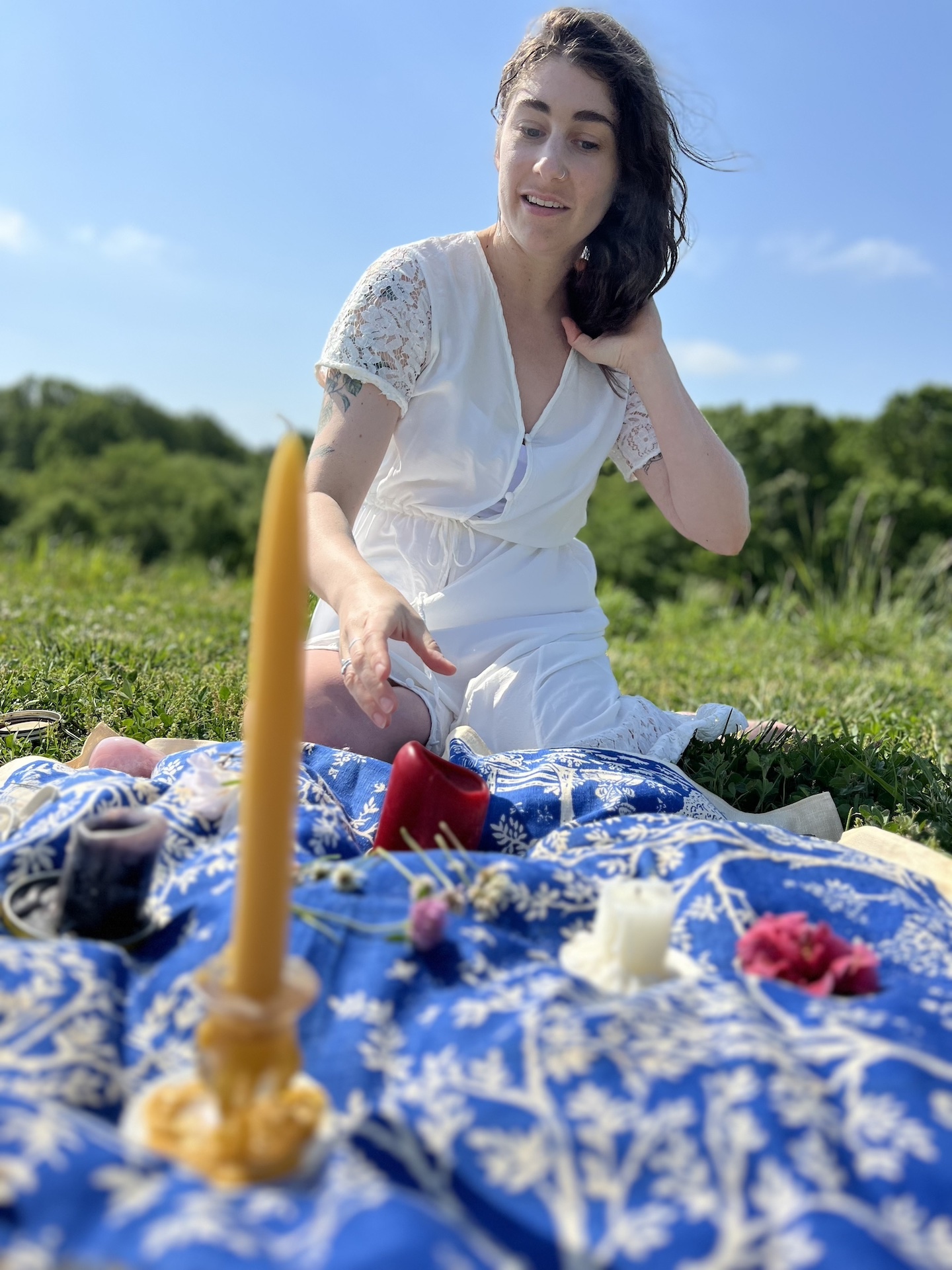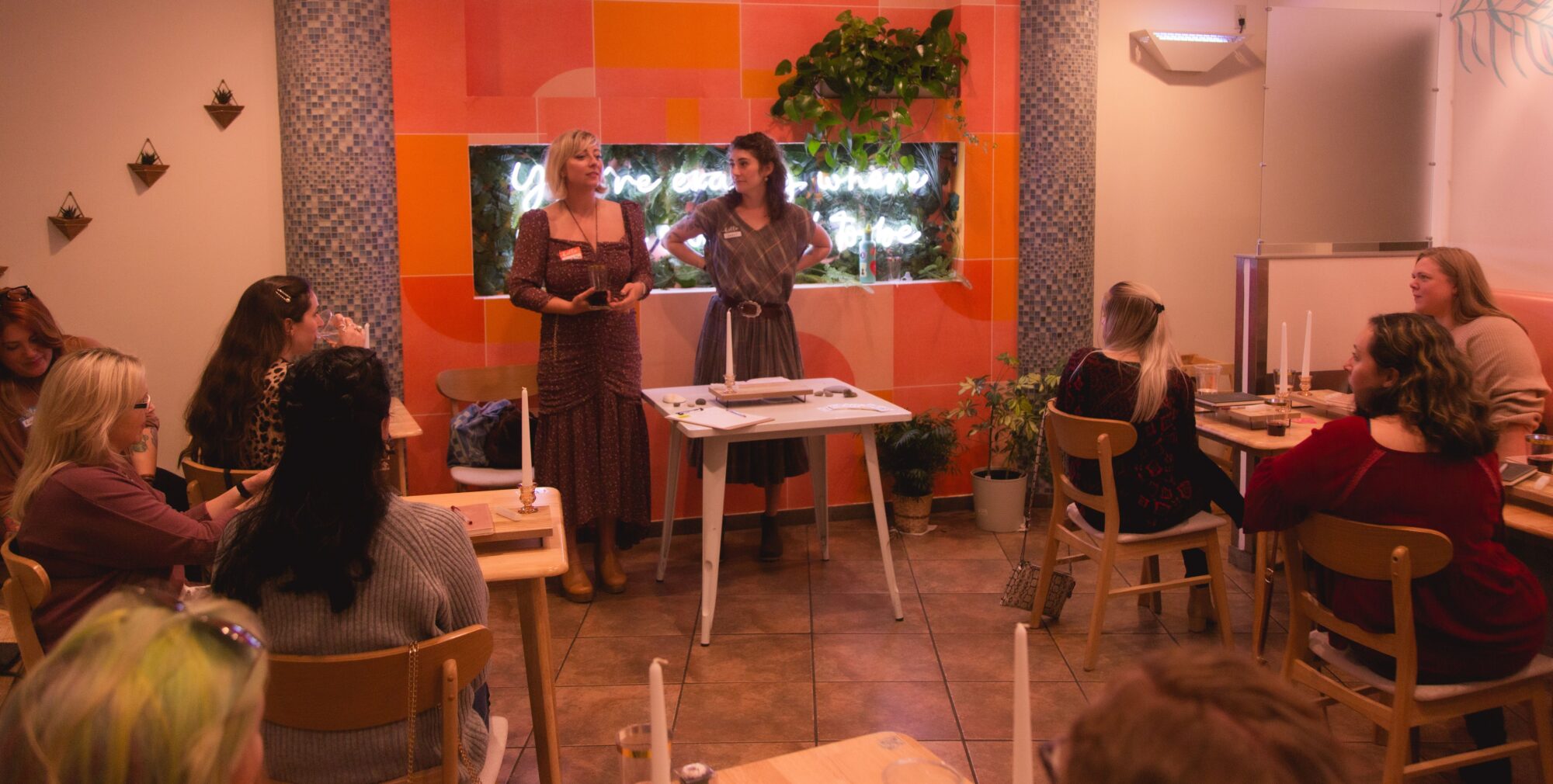
Join Pluck Farm and your village witch Isabel O’hara Walsh for a spring equinox ritual about growth, blossoming, and balance!
We’ll walk to a quiet clearing in the woods where we’ll align our inner growth with the growth of the spring season. We’ll do a witchy ritual for the equinox, the moment when light and dark are equal, which will lead us to view things from both sides, understand multiple perspectives, and see pathways we’ve never seen before.
Arrive ready to walk in the woods, talk with new friends, play with natural materials and get your hands a little dirty.
Get your ticket here:
*Limited spots*
History and Meaning of Ostara (or Eostar, or Ēostre)
In Pagan practices, Ostara is the day of the beginning of spring, when we welcome in the new growth of blossoms and leaves. Fertility symbols include eggs and rabbits, which is where Christians found the images now used at Easter.
It is also a holiday of balance: it’s the spring equinox, when night and day are of equal length.
Ēostre is a Germanic goddess of spring, written in Old High German as Ostara (the name used in the neopagan Wheel of the Year, and so the name I use here). Western European pre-Christian celebrations at Ostara included dressing as Ēostre, putting together baskets of offerings (hence, Easter baskets), and having a festival to celebrate the arrival of spring, warmth, and growth. As far as agricultural practices, people celebrated Ostara by planting seeds. Painting or dying eggs bright colors is a celebration of the bright colors returning in nature.
If you want to go down this rabbit hole (pun totally intended), I recommend this blog post and also this one.